Why Southampton homeowners are investing in carpentry — practical benefits and what to expect
Why Southampton homeowners are investing in carpentry
Local homeowners are increasingly choosing high-quality carpentry and joinery over off-the-shelf alternatives. In Southampton — from the terraces of Portswood to flats around Ocean Village and older houses in Bitterne — bespoke timber work solves specific problems that standard products can't: maximising storage in awkward spaces, matching period mouldings, and fitting kitchens that cope with coastal humidity.
Sonar Bespoke Projects has spent 10 years refining precision carpentry for these challenges. The small, two-person team brings boat-building discipline to domestic projects, so installations are both elegant and technically robust.
Practical reasons people choose bespoke carpentry
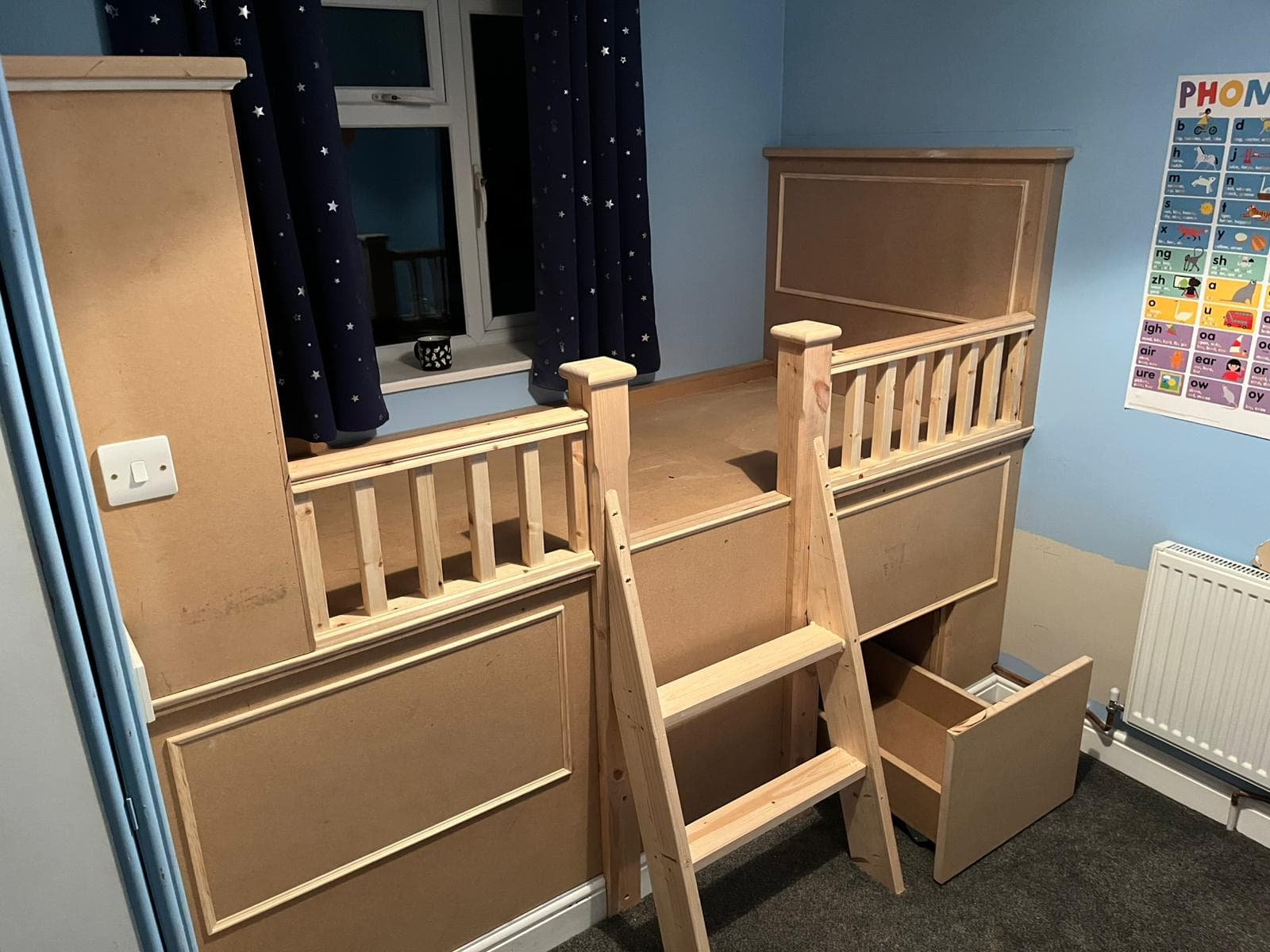
- Tailored storage and layout: Built-in cabinets, under-stair pantries and fitted wardrobes make the most of awkward floorplans found in Southampton’s Victorian and Edwardian stock. Carcassing built to site ensures no wasted centimetres.
- Better finishes and longevity: Choice of hardwoods (English oak, sapele) or durable engineered plywood and MR MDF prevents delamination in kitchens and bathrooms exposed to coastal moisture.
- Period detail and seamless matches: Skirtings, architraves, and sash window linings can be matched to existing profiles — mitred and routed on site to preserve character.
- Increased property value: Well-executed bespoke kitchens and joinery register on valuations; surveyors note fitted furniture and quality timberwork as value adds.
- Technical resilience: Boat-building techniques — epoxy fillets, closed-grain sealing and laminating — help with long-term performance in homes near the Solent.
What homeowners should consider before investing
- Set a practical brief
- Decide priorities: is it storage, aesthetic match, or a full kitchen refit? A clear brief reduces costly changes once work begins.
- Choose materials with location in mind
- Coastal properties benefit from engineered plywood or MR (moisture-resistant) MDF for carcasses, sealed hardwood fronts and marriage of solid timber only where movement can be accommodated.
- For worktops, consider solid timber with a sealed end grain, quartz or laminate depending on maintenance appetite.
- Understand the build method
- Ask whether the installer uses traditional joinery (mortise and tenon, dowel, biscuit) or modern knock-down carcasses with concealed fixings. Both have places; bespoke kitchens often combine structural joints with concealed hardware (Blum soft-close hinges, full-extension runners).
- Allow for services and sequencing
- Carpentry ties into plumbing, electrics and plaster. A staged programme prevents chasing waste cupboards after pipework is run. Plan for appliance sizes, vent routes and boiler access during the survey.
- Budget realistically
- Bespoke carpentry is an investment. Break costs into: survey and design, carcassing and structure, doors/finishes, worktops and hardware, plus contingency (typically 10–15%). Labour quality and timber choice are the main cost drivers.
Site-ready tips for Southampton homes
- Pre-survey moisture check: Coastal humidity can force timber movement. Request a site moisture assessment and specify sealing systems for exposed edges.
- Protect original features: For listed or period homes, document existing mouldings and sash windows; replicate rather than replace where possible.
- Dust control and logistics: With narrow staircases common in older houses, ask about site protection, hoarding and a clear waste plan.
How to pick the right carpenter for your project
- Portfolio with local examples: Look for recent projects in Southampton so you can see how the team handles local building types.
- Technical background: Boat-building or advanced joinery experience is a plus — it indicates higher precision and tolerance for complex shapes.
- Clear specification: Reputable carpenters provide a written spec listing materials, mouldings, hinges, runners and finishes.
- Snagging and aftercare: Agree a defect period and have a simple snag list process. Good teams return for small tweaks — that finish is what separates a tidy job from a premium job.
Quick maintenance checklist for fitted timber
- Keep vents and trickle vents working to control humidity.
- Re-oil or recoat solid timber worktops annually depending on finish.
- Wipe spillages immediately and avoid harsh abrasives on lacquered surfaces.
- Tighten hinges and runners yearly — movement and wear are normal but manageable.
Carpentry in Southampton is more than cosmetic. It solves site-specific problems, extends the life of installations in a coastal environment and adds tangible value. For homeowners who care about finish, longevity and technical detail, bespoke carpentry is a smart long-term choice.
If you’re considering fitted joinery or a kitchen refit in Southampton, Sonar Bespoke Projects offers a site survey and a clear, itemised specification tailored to your property and budget. Contact Sonar Bespoke Projects for a local survey and professional advice tailored to your home.